
Performance Physical Therapy in Columbus: How Athletes and Active Adults Get Back to Training Stronger
Oct 26, 2026
You train hard, you show up consistently, and you expect your body to keep up. Then a nagging shoulder, a cranky knee, or a low back that tightens up mid-workout starts dictating your schedule. If you have already been through a rushed appointment where you were handed a sheet of generic exercises, you know how frustrating that experience can be.
Performance physical therapy exists for people like you. At Athletes' Potential Physical Therapy, the goal is not simply to make pain go away. It is to help you move and perform better than you did before the problem started. This guide explains what performance physical therapy in Columbus, OH really involves, who it helps, and what you can expect when you begin.
What Is Performance Physical Therapy?
Performance physical therapy applies the principles of rehabilitation and athletic training within the same plan of care. It treats the injury or pain you have now, and it also builds the strength, mobility, and movement quality you need for your sport or activity.
Instead of asking only where it hurts, a performance approach asks deeper questions:
- What do you need your body to do, whether that means lifting, sprinting, rotating, jumping, or holding a position for hours?
- Which movement patterns, strength deficits, or mobility limits are getting in the way?
- What will it take to return you to full training with confidence?
This is a fundamentally different mindset from a model that stops once pain drops to a tolerable level. Being pain-free is an important milestone, but for an athlete it is rarely the finish line.
How Is Performance PT Different From Traditional Physical Therapy?
Traditional physical therapy plays an essential role in recovery, and many people receive excellent care in conventional settings. The difference for active adults often comes down to time, focus, and goals.
Time and Attention
In many busy clinics, a provider may split attention between several patients at once. At Athletes' Potential Physical Therapy, every visit is a one-on-one, 60-minute session exclusively with a Doctor of Physical Therapy. You receive uninterrupted attention, and your plan is adjusted in real time based on how you move that day.
Goals Beyond Baseline
A standard plan may aim to return you to normal daily function. A performance-focused plan asks what normal means for you specifically. If you are a CrossFitter, that includes overhead positions under load. If you are a runner, it includes mileage, cadence, and hills. If you are a golfer, it includes rotation through the hips and thoracic spine for an entire round.
Efficiency That Respects Your Schedule
You have a job, a training schedule, and likely a family. Athletes' Potential Physical Therapy prioritizes being efficient with your time. The aim is a focused plan that gets you back to your activity with purpose, and email access to your provider between sessions means questions do not have to wait until your next appointment.

Who Benefits From Performance Physical Therapy in Columbus?
This approach is built for active adults and competitive athletes who value transparency and results. You do not need to be a professional to benefit. You need to care about how you move and what you are able to do.
CrossFitters and Strength Athletes
Heavy, repetitive, high-skill movements can expose limits in shoulder mobility, hip control, or trunk stability. Conditions such as shoulder impingement, rotator cuff pain, low back pain, and hip pain are common in this group. Treatment examines the lift and the person performing it, not just the sore spot.
Runners
Running is repetitive, so small inefficiencies accumulate over miles. Runner's knee, IT band syndrome, shin splints, Achilles tendinopathy, and plantar fasciitis are frequent reasons runners seek help. A running gait analysis and running form assessment can reveal how you load your body with every stride.
Golfers
Golf demands rotation, balance, and consistency. Low back pain, hip limitations, shoulder pain, and golfer's elbow often trace back to how the body moves through the swing. Titleist Performance Institute (TPI) testing helps connect physical limitations to swing patterns so you can prioritize what matters most.
Weekend Warriors and Active Adults
If you play recreational sports, hike, lift, or simply refuse to slow down, performance physical therapy helps you stay in the game. It also supports healthy aging, balance, and fall prevention so you keep doing what you love for decades to come.
Why Does Root Cause Diagnosis Matter?
Pain is often the symptom, not the source. A sore knee may be influenced by hip strength, ankle mobility, foot mechanics, or a recent change in training load. Treating only the painful area can bring temporary relief, and then the problem returns the moment you push hard again.
A root cause model looks upstream and downstream of the symptom. Your Doctor of Physical Therapy evaluates how joints, muscles, and movement patterns work together, then builds a plan to correct the true driver of the problem. The result is a plan that addresses why the issue started, which supports longer-lasting outcomes.
Athletes Treating Athletes
The providers at Athletes' Potential Physical Therapy have personal experience with weightlifting, CrossFit, running, golf, gymnastics, yoga, and other sports. That shared background means you do not have to explain why missing a training block matters to you, or what a given movement actually demands of your body.
What Conditions Does Performance Physical Therapy Treat?
Performance physical therapy at Athletes' Potential Physical Therapy supports a wide range of musculoskeletal conditions common among active people. You can learn more on the Services page.
Spine
- Low back pain
- Sciatica
- Neck pain
- Mid back pain
Upper Body
- Shoulder pain, rotator cuff pain or tear, shoulder impingement, and frozen shoulder
- Elbow pain, tennis elbow, and golfer's elbow
- Wrist pain
Hip, Knee, and Lower Leg
- Hip pain, hip impingement (FAI), labral tear, and groin pain
- Knee pain, runner's knee (patellofemoral pain), meniscus injury, IT band syndrome, and ACL injury
- Hamstring strain
- Achilles tendinopathy, plantar fasciitis, ankle sprain, and shin splints
Other Concerns
- Headaches and migraines
- Arthritis
- Tendonitis, tendinopathy, and overuse injuries
If your condition is not listed above, you can still reach out. Your first visit is designed to determine what is driving your symptoms and whether your goals are a strong fit for the care offered.
Which Assessments Reveal How You Really Move?
Effective treatment starts with accurate information. Beyond a standard orthopedic exam, performance physical therapy uses movement-based testing to see how your body behaves under real demands.
- Movement screen and functional movement assessment: These evaluate fundamental patterns such as squatting, lunging, reaching, and balancing to identify asymmetries, restrictions, and compensations.
- Running gait analysis and running form assessment: These examine how you move while running, including posture, stride, and loading patterns, so adjustments can target the true source of overload.
- TPI testing: This golf-specific screen links physical limitations to swing characteristics, helping you prioritize which mobility, stability, or strength issues matter most.
- Bike fit: For cyclists, bike positioning can influence comfort, efficiency, and overuse symptoms. A fit assessment examines how your body and your equipment work together.
These tools turn a general plan into a specific one. Instead of guessing which exercises you need, you and your provider can see the pattern clearly and measure change over time.
What Treatments Are Used in Performance Physical Therapy?
Hands-on care and active training work best together. Manual techniques can reduce pain and improve motion, while exercise builds the capacity that keeps problems from returning.
Hands-On and Soft Tissue Techniques
- Manual therapy, joint mobilization, and manipulation: Skilled hands-on techniques to improve joint motion and ease pain.
- Soft tissue mobilization and trigger point therapy: Targeted work for tight, irritated muscle and connective tissue.
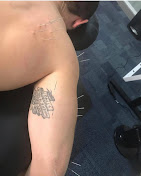
- Dry needling: A technique that uses thin needles to address myofascial trigger points and muscle tightness. It is typically used alongside exercise rather than as a standalone treatment.
- IASTM (Graston), scraping, and cupping: Tools and techniques used to address soft tissue restrictions and support mobility.
- Assisted stretching: Guided stretching to improve flexibility and range of motion.
Active and Performance-Based Care
- Therapeutic exercise: Progressive strength, mobility, and stability work matched to your sport and goals.
- Neuromuscular re-education: Retraining coordination and control so you move efficiently under fatigue and load.
- Plyometrics and return-to-sport progressions: Gradual, structured exposure to jumping, cutting, sprinting, and other high-demand movements.
- Breathwork and diaphragmatic training: Breathing mechanics that support trunk stability and recovery.
- Compression therapy (such as Normatec): A recovery tool to help you feel prepared for your next session.
Your plan uses only the tools that fit your specific needs. Your provider will explain why each element is included and how it connects to your goals.
How Does Performance PT Support Return to Sport, Running, and Injury Prevention?
The path from injury to full participation has distinct stages. Skipping steps is a common reason people reinjure themselves. A performance approach organizes that path so each phase prepares you for the next.
Return to Sport and Return to Running
Once pain settles, the focus shifts to rebuilding strength, tolerance, and confidence. For runners, that may mean a graded return to running that respects how tendons, joints, and muscles adapt to load. For field and court athletes, it may involve plyometrics and sport-specific drills before full competition. For lifters and CrossFitters, it means restoring positions and loading patterns before returning to heavier work.
Prehab and Injury Prevention
You do not have to wait for an injury. Prehab before a season, a big race, or a new training cycle can uncover weak links before they become painful. A movement screen, a targeted strength and mobility plan, and training load guidance can reduce the likelihood of common overuse problems.
Post-Surgery Rehab
After surgery, a structured plan helps you restore motion, strength, and control in a safe sequence. The goal extends beyond daily function and toward the full demands of your sport, in coordination with your surgeon's guidelines.
Healthy Aging and Long-Term Performance
Strength, balance, mobility, and posture all support active living as you age. Performance principles apply here too. Staying capable is a training goal, not a luxury.
What Should You Expect at Your First Visit?
Your first appointment is built around you, not a template.
- A detailed conversation: You will discuss your history, your training, your goals, and what you have already tried.
- A thorough exam: Expect hands-on testing, movement assessment, and sport-relevant tasks to identify the source of your symptoms.
- A clear explanation: Your Doctor of Physical Therapy will walk you through what they found and why it matters.
- A plan with a purpose: You will leave knowing what comes next, what to do between visits, and how progress will be measured.
Because your provider is with you for the full 60 minutes, you do not need to repeat your story to multiple people. Between sessions, you can email your provider with questions about an exercise, a flare-up, or a change in your training. You can also learn more about the team on the About page.
Frequently Asked Questions About Performance Physical Therapy
Is performance physical therapy only for elite athletes?
No. It is for anyone who is active and wants to perform, train, or play without being limited by pain or poor movement. Weekend warriors, runners, golfers, and gym-goers all benefit from this approach.
Can I come in if I am not currently injured?
Yes. Prehab, movement screening, running form assessment, and TPI testing can all be valuable when you feel fine but want to improve performance or prevent future problems.
Will I need to stop training?
Not always. Many people can modify rather than stop entirely. Your provider will tell you what to adjust, what to keep, and what to temporarily pause so you stay as active as is safe throughout your recovery.
How is progress tracked?
Progress is based on measurable changes, including movement quality, strength, tolerance to activity, and your ability to perform the specific tasks that matter most to you.
Where can I read more?
You can explore additional articles on the Athletes' Potential blog or visit the Home page for a full overview of the clinic and its services.
Ready to Train, Run, or Play Without Limits?
You should not have to choose between taking care of your body and pursuing the activities that define you. With one-on-one time with a Doctor of Physical Therapy, a root cause approach, and providers who genuinely understand athletic lifestyles, Athletes' Potential Physical Therapy is built to help you return to what you love and perform at a higher level than before.
If you are ready to find out what is holding you back, schedule your first visit with Athletes' Potential Physical Therapy in Columbus today. Your goals deserve a plan that is as focused and determined as you are.
Let us help you figure out to live your best active life today!
Remember, Movement is Medicine!
